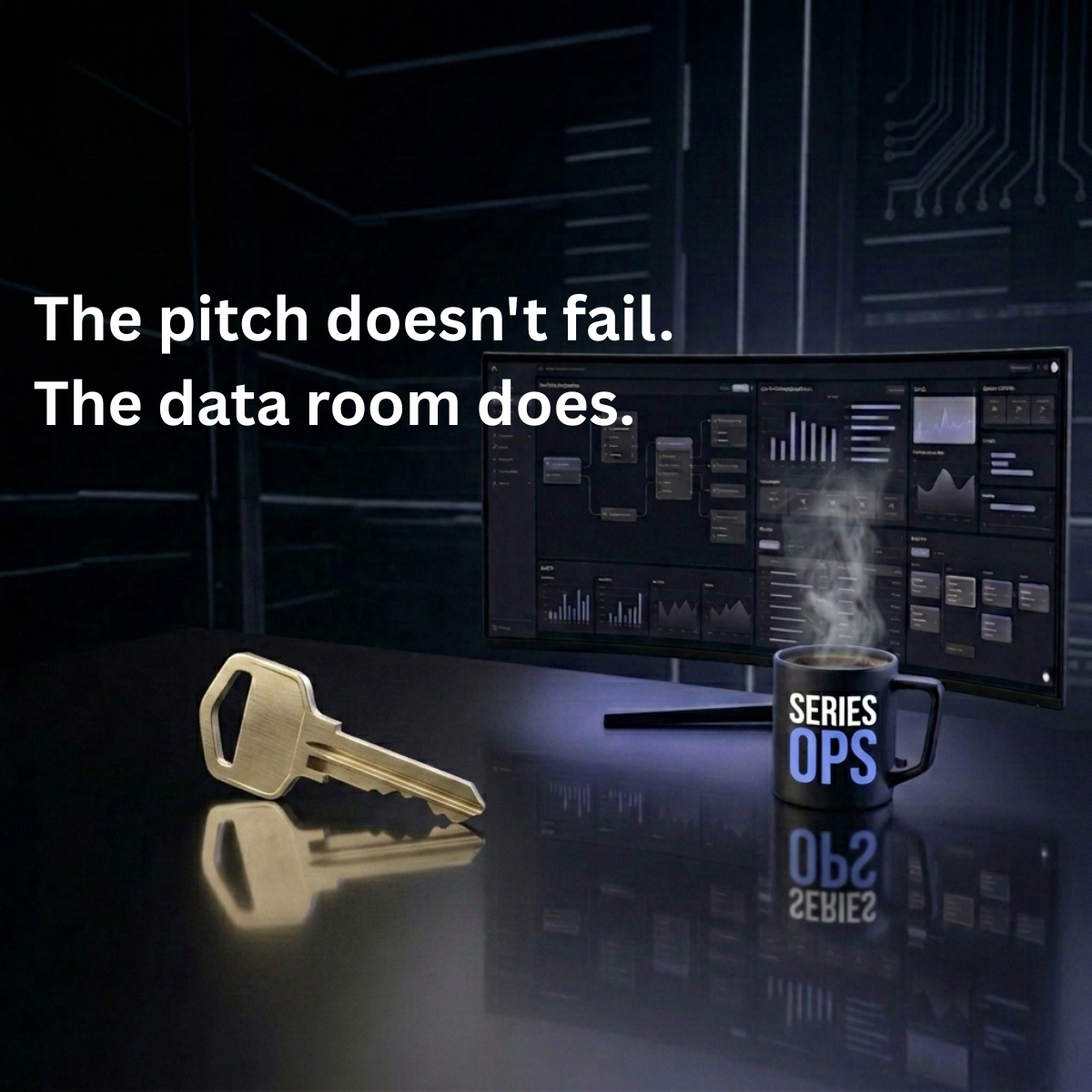
Compliance isn't a chore. It's fundraising infrastructure.
I've watched deals die in diligence.
Not because the product was weak. Not because the market was small.
Because a consulting contract from year one assigned IP in the wrong direction. Because a contractor built the prototype before signing a CIIAA. Because the "executed" vendor agreement only existed as a vague memory.
The pitch doesn't fail. The data room does.
The fix starts with clean templates — an employment agreement, a CIIAA, an NDA, a pilot contract, a sales contract — drafted by a corporate lawyer who specializes in venture-backed startups. Not your uncle's real estate attorney. And not an AI copilot that still generates legal slop on the subtle stuff.
The right lawyer is a boardroom advisor, not a billable-hour machine. You might only talk to them a handful of times between rounds. But you're not buying hours — you're buying pattern recognition, and the quiet judgment of someone who's watched a thousand cap tables survive or implode. Their counsel is worth many multiples of their fee.
The routine — redlining vendor contracts, tracking signatures, enforcing a signing authority chart — belongs with your fractional COO. The founder shouldn't be in this at all. Every hour spent on contracts is an hour not on product, customers, or the next round.
And every signed contract lives in a contract management tool — e-signed, timestamped, searchable. Not a folder in Google Drive. Not "I think we executed that." One archive, ready when diligence asks.
The companies that close rounds fast don't have the best decks.
They have their house in order.